

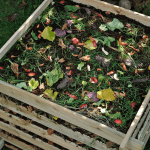
Why do soil properties change the deeper you dig in the ground? Well, one reason is the addition of materials to the topsoil, such as humus. Let’s explore how these additions influence soil properties with depth.
As we get deeper in the soil, we encounter different layers called soil horizons. The topmost layer, known as the O horizon, contains organic material like plant debris and humus. Humus is a dark, decomposed organic matter that is rich in nutrients and helps improve soil fertility.
The addition of humus to the topsoil has several positive effects on soil properties. First, it enhances the soil’s ability to retain moisture. Humus acts like a sponge, holding water in the soil. This is crucial for plant growth.
Next, humus improves soil structure. It binds soil particles together, creating aggregates or clumps that allow water to infiltrate and roots to penetrate the soil. This promotes healthy root development and improves the overall stability and fertility of the soil.

Humus also acts as a nutrient reservoir. It stores essential nutrients and releases them slowly over time, providing a steady supply for plant growth and development.
But, if you dig deeper into the soil, the concentration of humus decreases, and the soil properties change. Lower soil horizons, the B and C horizons, contain less organic matter and have different mineral compositions.
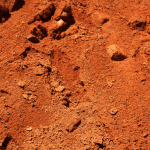
Understanding how soil properties vary with depth is essential for farmers, gardeners, and naturalists. It helps them make informed decisions about soil management, nutrient amendments, and selecting suitable plants for different soil conditions. The addition of materials like humus to the topsoil plays a vital role in shaping soil properties with depth. Humus improves moisture retention, enhances soil structure, and acts as a nutrient reservoir. By understanding these variations, we can better care for our soils and ensure optimal conditions for plant growth.
 Moccasin Cove