Have you ever dug a hole in the ground and noticed that the soil looks different at different depths? This is because soil is made up of layers called horizons, each with its own unique properties. Soil horizons form as a result of different processes that affect the soil over time, such as weathering, erosion, and biological activity.
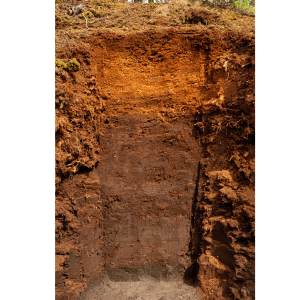
There are four main soil horizons, each designated by a letter: O, A, B, and C.
- O horizon: This is the topmost layer, composed of organic material such as leaf litter and decomposing plant matter. This layer is important for nutrient cycling and soil fertility.
- A horizon: This layer is also known as topsoil and is the most important layer for plant growth. It is rich in organic matter, minerals, and nutrients.
- B horizon: This layer is known as the subsoil and is characterized by the accumulation of clay, iron, and other minerals that have leached down from the topsoil. This layer can also contain roots and other organic material.
- C horizon: This layer is composed of weathered rock fragments and is the parent material from which the soil above it has formed. This layer has little to no organic material and is less important for plant growth.
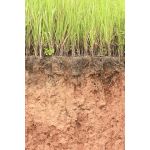

Soil horizons can provide insights into the history and characteristics of a soil, such as its age, the type of parent material it formed from, and the types of plants that have grown on it. By understanding soil horizons, naturalists can gain a better understanding of the ecosystem and make informed decisions about land use and management.
In summary, soil horizons are layers of soil with unique properties that form over time as a result of various processes. These horizons provide important information about soil history and characteristics and are essential for understanding the ecosystem.
 Moccasin Cove