The structure of soil refers to how individual soil particles are arranged and clumped together. Different types of soil structure can impact the ability of soil to support plant growth and retain water. In general, there are three main types of soil structure: granular, blocky, and platy. Let’s take a closer look at each one.
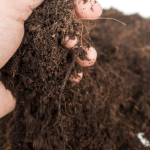
- Granular: This type of soil structure is characterized by small, crumbly clumps that are loosely held together. Granular soil is typically found in soils with high levels of organic matter, and it is known for its ability to retain water and support plant growth. It is also easy to till and cultivate, making it ideal for gardening and farming.
- Blocky: Blocky soil structure is characterized by larger, angular clumps that are tightly packed together. This type of soil structure is typically found in soils with high levels of clay, and it can limit the ability of water to move through the soil. However, it can also provide good support for plant growth and protect roots from erosion.
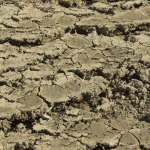
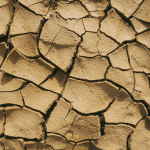
- Platy: Platy soil structure is characterized by thin, flat layers that are stacked on top of each other. This type of soil structure is typically found in soils with high levels of compaction, and it can limit the ability of water and roots to penetrate the soil. Platy soil structure can also make it difficult for plants to establish strong root systems.
Understanding the different types of soil structure is important for naturalists, as it can provide insights into the characteristics of different soils and ecosystems. For example, soil structure can affect how water moves through soil and how nutrients are distributed, which can impact plant growth and ecosystem health. By understanding the different types of soil structure and how they are formed, naturalists can gain a better understanding of the complex interactions that occur in soil ecosystems.
 Moccasin Cove