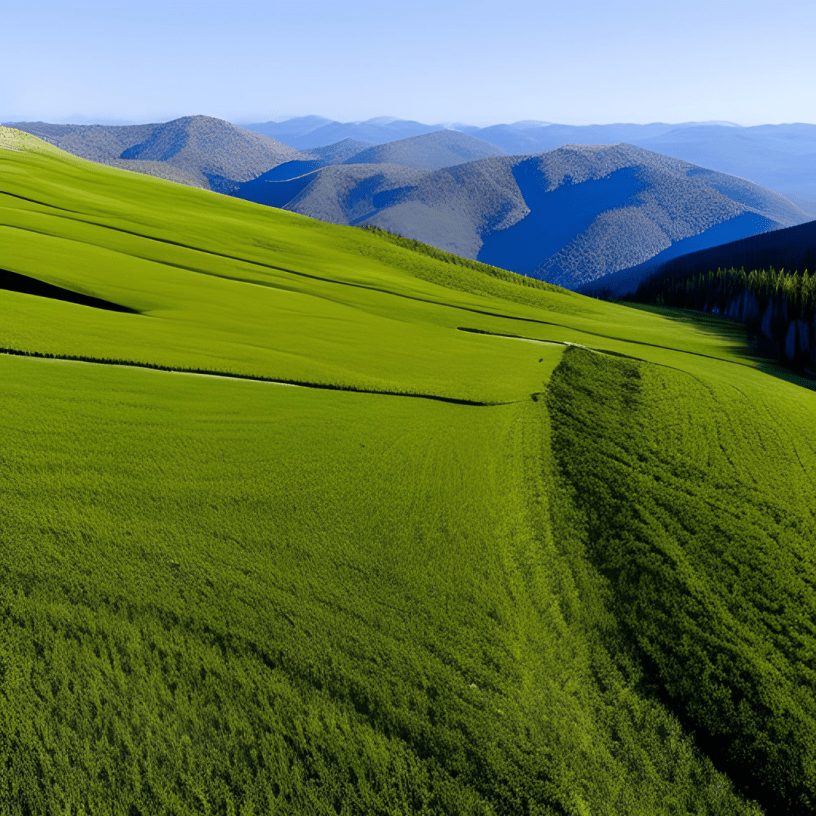
Have you ever wondered why soil types vary across different parts of a landscape? One important factor is relief, or the variation in elevation across a landscape. Relief can influence soil properties, and therefore soil types, in several ways.

Here are some ways that relief can affect soil properties:
- Slope: Slope can impact the amount of water that infiltrates the soil. On steep slopes, water may run off the surface quickly, leading to erosion and nutrient loss. This can result in thin, rocky soil. On gentle slopes, water has more time to infiltrate the soil, resulting in deeper, richer soils.
- Aspect: Aspect refers to the direction that a slope faces. Slopes that face north or east tend to be cooler and moister, while slopes that face south or west tend to be warmer and drier. This can impact the types of vegetation that grow on the slope, and therefore the type of organic matter that is added to the soil.
- Drainage: Relief can impact drainage patterns across a landscape. Low-lying areas may have poor drainage, leading to waterlogged soils. Areas with steep slopes may have good drainage, leading to well-aerated soils.
All these factors can influence soil properties, and therefore the type of soil that develops. For instance, on steep slopes with poor drainage, soils may be thin and rocky, while on gentle slopes with good drainage, soils may be deeper and more fertile.
So, the next time you’re out exploring a landscape, take a moment to observe the relief and think about how it might be influencing the soil types that you see.
 Moccasin Cove