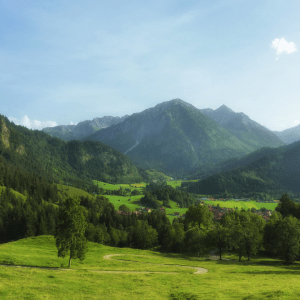
Soil properties can vary widely in different parts of the landscape. This is due to geological differences in the underlying rock, which is known as the parent material. Different types of rocks can create different types of soil, and these variations can have a big impact on plant growth and other ecosystem functions.
Here are some ways that parent material can affect soil properties and types:
- Chemical composition: Different types of rock have different chemical compositions. For example, soil that forms over limestone bedrock tends to be alkaline, while soils that form over granite bedrock tend to be acidic.
- Physical properties: The physical properties of the parent rock can also influence soil properties. For example, soils that form over sandstone bedrock tend to be sandy, while soils that form over shale bedrock tend to be more clay-like.
- Weathering: Over time, rocks break down into smaller particles through a process called weathering. This can also impact soil properties, as the size and type of particles that make up the soil will depend on the type of rock and the extent of weathering.

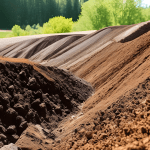
Soil scientists use a system of classification to describe different types of soil. This system is based on factors such as texture, color, and structure, which are influenced by parent material as well as other factors like climate and vegetation. Understanding how parent material influences soil properties can help naturalists make sense of the different types of soils they encounter in the landscape. By understanding the unique characteristics of each soil type, we can better appreciate the complex interactions between soil, plants, and the environment.
 Moccasin Cove