Soil comes in a wide range of colors, and the color of soil can tell you a lot about the properties and characteristics of the soil. Understanding why soils have different colors is important for naturalists who study the environment and the organisms that live within it.
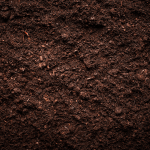
One of the main factors that influence soil color is the organic matter content of the soil. Organic matter is made up of decomposed plant and animal material, and it tends to be dark in color. Soils with high levels of organic matter tend to be dark brown or black, while soils with low levels of organic matter tend to be lighter in color.
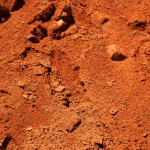
Another important factor that affects soil color is the mineral content of the soil. Different minerals have different colors, and the combination of minerals in a soil can give it a unique color. For example, soils with high levels of iron tend to be red or orange, while soils with high levels of aluminum tend to be gray or white.
Soil color can also be influenced by the degree of weathering of the parent material. As rocks and minerals break down over time, they release different compounds and minerals that can impact the color of the soil. For example, soils formed from granite tend to be light in color, while soils formed from basalt tend to be dark.
Finally, soil color can also be impacted by environmental factors like water and temperature. Wet soils tend to be darker in color than dry soils, while soils in cooler climates tend to be darker than soils in warmer climates.

Understanding why soils have different colors can provide valuable insights into the properties and characteristics of a soil. By looking at the color of soil, naturalists can gain insights into the organic matter content, mineral content, weathering history, and environmental conditions of a soil. This information can help naturalists better understand the organisms that live within different soils and the ecosystems they are a part of.
 Moccasin Cove