Soils are not all created equal. Soil varies in texture, and this is due to the size of the soil particles that make it up. Soil particle size can impact how well plants grow, how water is retained in the soil, and how well soil drains.
Soil particle size is classified into three main categories: sand, silt, and clay. Sand particles are the largest, ranging from 0.05mm to 2mm in size. Silt particles are smaller, ranging from 0.002mm to 0.05mm in size. Clay particles are the smallest, measuring less than 0.002mm in size.

The texture of soil is determined by the proportion of these three types of particles in the soil. Sandy soils are made up primarily of sand particles, while clay soils are composed mainly of clay particles. Loamy soils are a mixture of all three particle types and are considered ideal for growing plants.
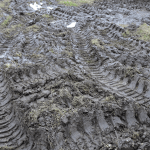
Soil particle size can affect how water moves through the soil. Sandy soils drain water quickly but can dry out easily. Clay soils, on the other hand, can hold water for long periods of time, but can become waterlogged and suffer from poor drainage. Loamy soils strike a balance between the two, retaining water while allowing for drainage.
Soil particle size is often related to the parent material from which the soil formed. For instance, soils formed from volcanic rocks tend to have smaller particles, while soils formed from alluvial deposits have larger particles. Understanding the parent material of a soil can give insights into its particle size and texture.
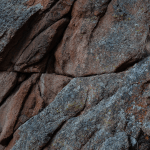
Soil particle size is also influenced by the degree of weathering of the parent material. Soil weathering refers to the physical and chemical breakdown of rocks and minerals that make up the parent material of soil. This process occurs naturally over time as a result of exposure to elements like water, wind, temperature, and biological activity.
Soil particle size is important because it influences many important properties of soil, including water retention, drainage, nutrient availability, and overall soil fertility. By understanding how particle size is related to factors like weathering and parent material, naturalists can gain insights into the characteristics of different soils and ecosystems.

 Moccasin Cove