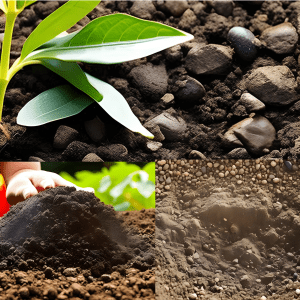
Soil is a crucial component of any landscape, and it’s made up of the following elements:
- Organic matter: This includes dead plant and animal material that decomposes over time, providing nutrients for plants and supporting various organisms that live in the soil.
- Minerals: These come from rocks that have been weathered down and provide important nutrients such as nitrogen, phosphorus, and potassium for plants to grow.
- Air: Air is present in the soil, and it’s important for the survival of plant roots and soil organisms.
- Water: Water is also essential for the survival of plants, animals, and soil organisms. It helps to transport nutrients, supports plant growth, and provides a habitat for various organisms.
Different landscapes have different types of soil, which can affect the plants and animals that thrive there. Sandy soil, for example, drains quickly and is great for plants that prefer drier conditions, while clay soil holds more water and is ideal for plants that need moist soil.
Soil also plays a critical role in the nutrient cycle by providing nutrients for plants to grow. Moreover, the soil is home to various types of organisms, including bacteria, fungi, and insects, that help to break down organic matter and decompose it into nutrients for plants.
Unfortunately, soil can be damaged by various factors such as erosion, pollution, and soil compaction. This can impact soil quality and cause it to lose its ability to support life.
By understanding the importance of soil and how it functions, we can better appreciate and protect this vital part of our landscape.
 Moccasin Cove