Do you know that landscapes are not just beautiful to look at but also have a lot of properties and types? Let me explain.
First, when we look at a landscape, we see it as a two-dimensional image. However, there are different properties that make up the landscape, like its slope, aspect, and drainage pattern. Slope refers to how steep or gradual the land is, while aspect describes the direction the land faces. The drainage pattern tells us how water flows through the landscape.
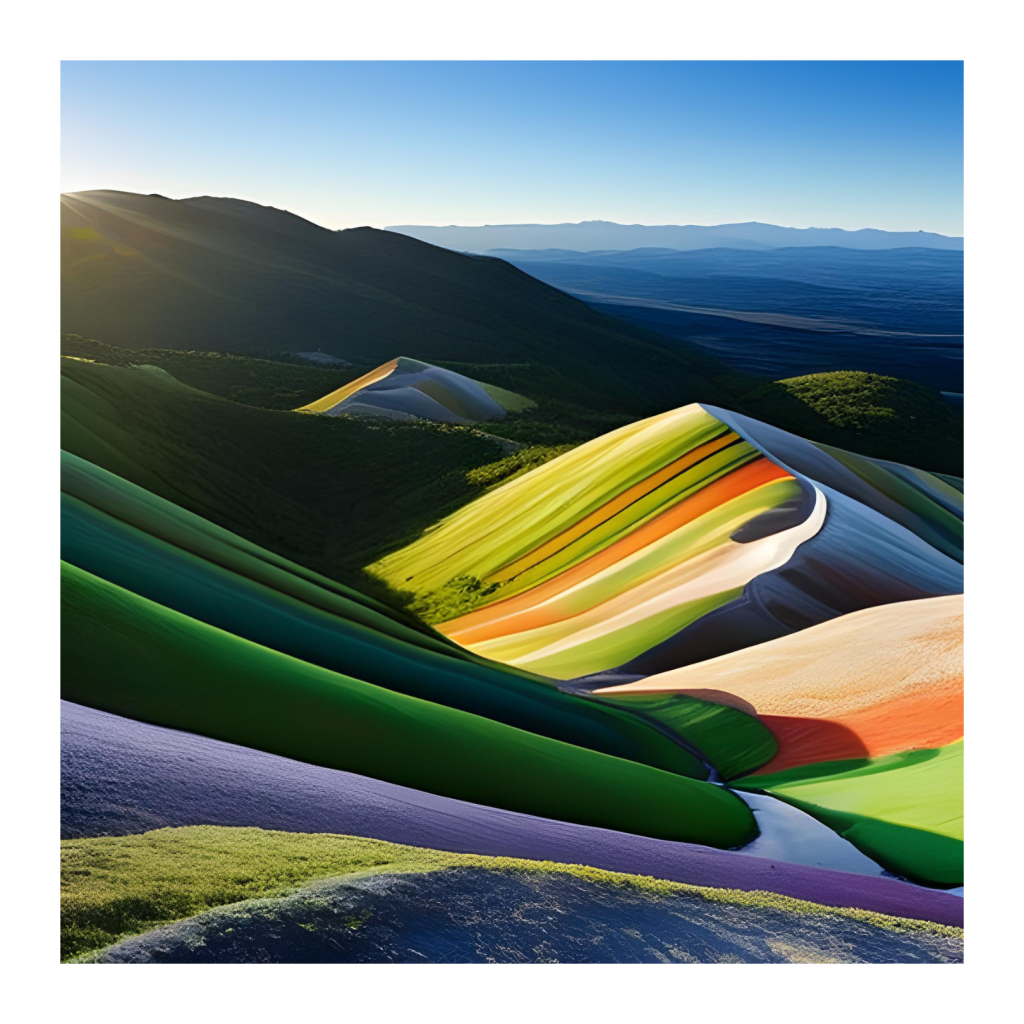
There are also different types of landscapes, such as mountainous, coastal, or desert. Each has its unique characteristics and features that make it special.
Landscapes are not just two-dimensional; they have depth too! The soil and geology of a landscape play a crucial role in its formation and maintenance. Soil provides nutrients and support for vegetation to grow, and different types of rocks can affect the landscape’s shape and color.
The atmosphere and vegetation are also important factors that make up a landscape. The type of vegetation can indicate the climate of the area, while the atmosphere affects the weather and can change the appearance of the landscape.
Understanding the properties, types, and three-dimensional nature of landscapes is crucial for geologists, ecologists, and even everyday nature enthusiasts like us.
So next time you admire a landscape, take a closer look and appreciate all the different elements that make it unique.
 Moccasin Cove